

How high-performance power conversion systems improve energy efficiency, process stability and long-term operational performance in energy-intensive industries
Industrial processes depend on one fundamental resource: electrical energy. In energy-intensive industries such as green hydrogen production, copper electrorefining, aluminium smelting and chlor-alkali production, electrical power drives electrochemical reactions and enables material transformation.
The way this energy is delivered directly affects process performance. Power conversion regulates and controls electrical power according to the requirements of each application.
In Ultimately, industrial performance depends not only on how much electrical energy is available, but on how effectively and reliably it is delivered to the process.
What Defines High-Performance Power Conversion?
The performance of a power conversion system cannot be measured by a single parameter. While conversion efficiency is one of the most recognised indicators, it represents only one aspect of overall system performance.
Designing reliable power conversion systems requires balancing multiple engineering priorities. At FRIEM, these priorities guide every project—from understanding the customer’s industrial process to supporting reliable operation throughout the equipment lifecycle.
The FRIEM Engineering Approach
| Engineering Focus | The FRIEM Approach |
| Application Engineering | Every rectifier system is engineered around the electrical characteristics, operating conditions and site constraints of the specific industrial process rather than adapted from a standard design. |
| Current Control Accuracy | Advanced control systems deliver precise DC current regulation, ensuring a stable production process. |
| Energy Efficiency | High-efficiency power conversion systems are designed to minimise electrical losses during operation. |
| Reliability & Operational Continuity | Robust system architecture, proven components and decades of application experience support continuous operation in demanding industrial environments while maximising plant availability. |
| Maintainability | Modular design, easy access to critical components and long-tem spare parts availability simplify maintenance, reduce intervention time and facilitate future upgrades. |
| Lifecycle Support | Revamping solutions, digital monitoring and long-term technical support help customers maximise equipment performance and extend asset life over decades of operation. |
These engineering priorities are closely interconnected. Their relative importance varies according to the industrial process, but together they determine how effectively a power conversion system supports long-term industrial performance.
Engineering Around the Industrial Process
Every industrial process presents unique electrical and operational requirements. A power conversion system designed for copper electrorefining differs significantly from one supplying a green hydrogen electrolyser or an aluminium smelter.
For example, copper electrorefining requires highly stable DC current over continuous operating cycles to ensure consistent cathode quality and process efficiency. Green hydrogen electrolysers, on the other hand, increasingly require power conversion systems capable of supporting dynamic operating conditions as renewable energy sources become more integrated into the electrical supply.
Although the applications differ, the engineering objective remains the same: delivering the right electrical power for the process. Designing around these application-specific requirements enables power conversion systems to provide the stability, efficiency and reliability required for continuous industrial operation.
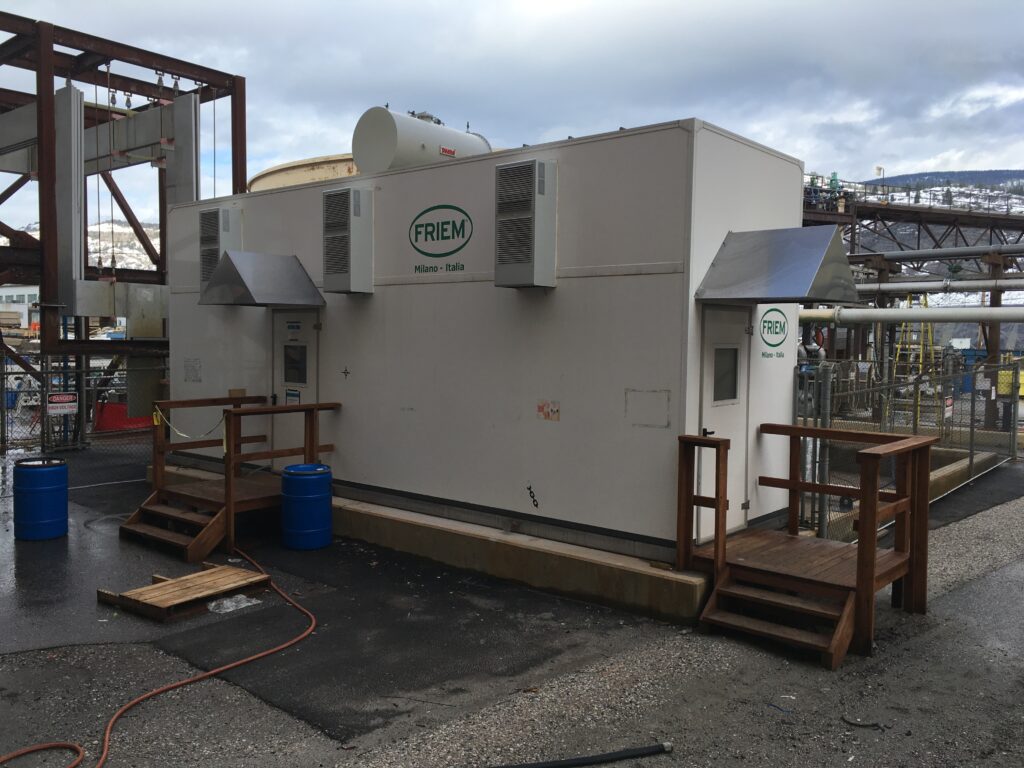
FRIEM Rectifier systems for a zinc smelter - North America
Designing for Long-Term Performance
Industrial power conversion systems are expected to operate reliably for decades under demanding operating conditions. Their value depends not only on their performance at commissioning, but on their ability to maintain consistent operation throughout the lifecycle of the plant.
Achieving long-term performance requires more than efficient power conversion. Thermal management, cooling technologies, component selection, electrical protection systems and maintainability must all be considered from the earliest stages of engineering.
Long-term performance also depends on the ability to support the system throughout its operational life. Digital monitoring, preventive maintenance, revamping solutions and long-term technical support help maintain high levels of availability while enabling plants to adapt to evolving production requirements without replacing critical infrastructure.
Looking ahead
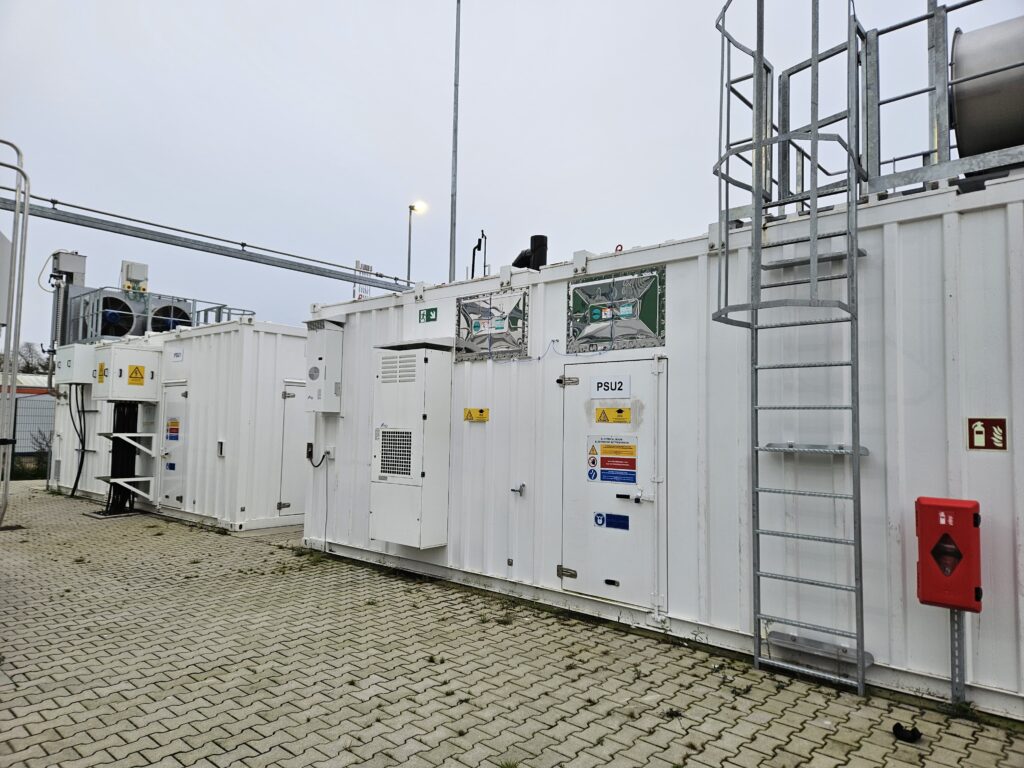
FRIEM Power Supply Units (PSU) for green Hydrogen production - Germany
As industrial processes continue to evolve, the expectations placed on power conversion systems are becoming increasingly demanding. Meeting those expectations requires more than efficient equipment—it requires application engineering, long-term expertise and a deep understanding of industrial processes.
Designing the right power conversion system is therefore more than an electrical engineering task. It is a strategic decision that influences efficiency, process stability and long-term plant performance.
If you are evaluating a new project or upgrading an existing installation, FRIEM’s team is available to discuss your application and identify the most appropriate power conversion solution for your process.
Get in touch